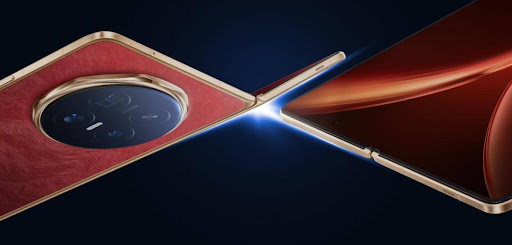
A foldable smartphone can be a smart work upgrade if your day includes frequent reading, quick edits, and short bursts of multitasking away from a laptop. The larger inner display gives you more room for documents, email threads, calendars, and chat windows without moving to a tablet. That advantage matters most when work happens between meetings, during travel, or while commuting. A foldable is less compelling if you mainly answer simple messages or always carry a computer. The real question is not novelty, but whether the bigger screen improves your actual workflow often enough.
Which Work Tasks Make a Foldable Worth Considering?
Reviewing Documents and Replying With Context
A foldable smartphone becomes useful for work when you regularly review contracts, slide decks, spreadsheets, or long email chains on your phone. The larger display reduces constant zooming and scrolling, which makes it easier to read full paragraphs, compare comments, and reply with better context. That can speed up approvals, edits, and follow-up messages when you are between meetings or away from your desk. It also helps when annotating PDFs, checking figures, or scanning project updates in shared documents. If your job often requires understanding detail before responding, the extra screen space delivers a practical benefit. For shallow tasks like one-line replies or quick notifications, the advantage becomes much smaller in daily use.
Managing Two Apps During Short Work Sessions
A foldable also makes sense if you often handle two apps at once during short work sessions. Split-screen use can be genuinely helpful when you need to check a calendar while replying to messages, compare notes during a call, or copy details from a document into email. On a standard phone, that process usually means constant app switching and broken concentration. A larger inner screen makes side-by-side viewing easier to manage and more comfortable for several minutes at a time. This is especially useful for people who work in transit, wait between appointments, or need to clear small tasks quickly. If multitasking on mobile is frequent, a foldable adds real convenience.
Will a Foldable Fit Your Everyday Work Routine?
Checking App Behaviour and Company Requirements
Before buying, check how your core work apps behave on a foldable and whether your company has device requirements that affect daily use. Email, document editing, video meetings, password managers, and secure chat tools should all resize properly between the outer and inner screens. If your employer uses mobile device management, confirm that enrollment, security policies, and biometric authentication work smoothly on foldable hardware. Also test whether your most-used apps support drag and drop, split view, and continuity when opening the device mid-task. A foldable is only productive when software keeps pace with the hardware.
Balancing Battery Capacity and Carrying Comfort
A foldable should feel comfortable in your hand and fit easily into your pocket or work bag. The HONOR Magic V6 measures 8.75mm thick when folded, making its slim profile relevant to everyday carrying and commuting. Its 6.52-inch outer screen handles quick messages and calendar checks, while the 7.95-inch inner screen provides more room for reviewing documents and working across apps. A larger workspace also makes battery capacity an important consideration: the 6660mAh battery is relevant for professionals balancing meetings, travel, and mobile tasks throughout the day. For work, the practical question is how comfortably the phone travels and whether its real-world endurance matches your routine.

What Would Make the Upgrade Worth Its Cost?
Measuring How Often You Would Use the Inner Screen
The upgrade is worth the price when the inner screen becomes part of your daily routine rather than an occasional convenience. Think about how many times each day you read detailed files, join calls while checking notes, or work through email and chat together. If those moments happen repeatedly, the larger screen can save time and reduce friction in small but meaningful ways. That value adds up across weeks of travel, field work, client visits, and meeting-heavy schedules. If you would mostly stay on the outer display and only open the phone a few times a week, the premium is harder to justify. Regular use should drive the purchase decision.
Read more: पॉवर बँक म्हणजे काय? | What is power bank in marathi
Checking Ownership Costs and Support Before Buying
When comparing HONOR Black Friday deals, assess more than just the upfront purchase price: check warranty terms, repair support, software updates, accessory availability, and downtime risk if the device needs service. For a work phone, reliable after-sales support matters as much as hardware design because interruptions can affect communication, approvals, and scheduling. Also consider whether you will need extra insurance, a case, or replacement screen protection over time. If the foldable becomes your main work device, fast service and dependable updates are part of the value equation. A higher upfront cost can make sense when support is strong.
Conclusion
You should buy a foldable smartphone for work if your job regularly involves reading detailed documents, responding with context, and multitasking in short mobile sessions. In that role, the larger inner display can improve speed, comfort, and focus enough to justify the premium. If your mobile work is limited to quick messages and basic calls, a foldable offers far less value. Make the decision based on actual screen use, app behaviour, battery needs, and support quality. When those factors align with your routine, a foldable can be a practical productivity tool rather than an expensive novelty.