
A plane ticket booked eight weeks out can cost half as much as one booked eight days out. That single fact explains why so many 20-somethings end up paying double for the same trip their more organized friends took for a fraction of the price. Budget travel in your 20s and early 30s isn’t about sacrificing good experiences — it’s about knowing a handful of tricks that make your money stretch further without making the trip feel cheap.
Book flights on a Tuesday or Wednesday afternoon
Airlines release fare sales most often on Monday nights, and competitors tend to match those lower prices by Tuesday. By the weekend, demand has usually pushed prices back up. Set a calendar reminder to check flights midweek instead of scrolling randomly whenever you remember.
Flexibility matters just as much as timing. Flying out a day earlier or later can shave $50 to $150 off a round-trip fare, especially around holidays. Use the flexible date search on Google Flights or Skyscanner instead of locking in one specific day before you’ve compared the week around it.
Travel in shoulder season instead of peak season
Peak season pricing isn’t just about flights — it hits hostels, tours, and even restaurant menus in tourist-heavy areas. Shoulder season, the few weeks before or after the busiest travel months, often delivers the same weather and most of the same activities at 30 to 40 percent lower cost. Southern Europe in late May or early October is a good example: still warm, still sunny, but without the July crowds or prices.
Shoulder season also means shorter lines at major attractions and more availability for last-minute bookings. That flexibility can matter a lot when you’re traveling without a rigid itinerary.
Split costs by traveling in a group
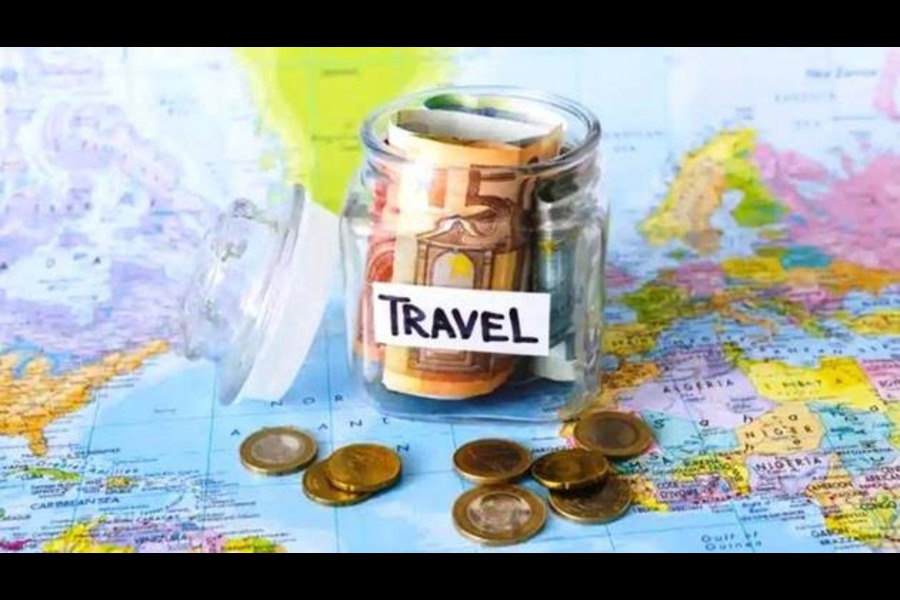
Solo travel has its appeal, but splitting a rental car, an Airbnb, or a multi-day tour four or five ways changes the math dramatically. A $200-a-night apartment becomes $40 a night per person with five people in it, which often beats even a dorm bed in a hostel. This is part of why young adult group trips have become so popular — they combine the social upside of traveling with friends with real, measurable savings on nearly every shared expense.
Group travel does require more coordination. Agree on a daily budget range before booking anything, so nobody ends up stuck paying for a four-star dinner when they budgeted for street food.
Use a travel credit card built for points, not perks
Skip the cards with annual fees over $100 unless you’re genuinely going to use the lounge access or travel credits attached to them. Instead, look for no-fee or low-fee cards offering 1.5 to 2 points per dollar on everyday spending, redeemable directly for flights or hotels. Over a year of normal spending, that can translate into a free domestic flight without changing your spending habits at all.
Pay the balance in full every month. Interest charges on a travel card erase any value the points provide almost instantly.
Eat where the locals eat, not where the reviews are highest
Restaurants with thousands of English-language reviews near major landmarks tend to charge a premium for convenience, not quality. Walk two or three blocks away from the main square or boardwalk, and prices often drop by 30 percent for comparable or better food. Look for small spots with handwritten menus, a line of locals, or no English translation at all — these are usually reliable signs of authentic, reasonably priced food.
Grocery stores are another underused resource. Picking up bread, cheese, fruit, and a bottle of local wine for a park picnic costs a fraction of a sit-down meal and often becomes one of the more memorable parts of a trip.
Pack light enough to skip checked bags entirely
Checked bag fees on budget airlines like Spirit, Ryanair, or Wizz Air can run $40 to $75 each way, which sometimes costs more than the ticket itself. A well-organized carry-on and personal item covers most trips under two weeks if you’re willing to do laundry once or twice. Packing cubes make this realistic by compressing clothes and keeping everything organized in a smaller space.
Skipping checked luggage also means skipping baggage claim, which saves 20 to 40 minutes on arrival and removes the risk of lost luggage entirely.
Use city tourism cards only when the math actually works
City passes bundling museum entries, transit, and attractions look appealing, but they only pay off if you’re visiting three or more paid sites in a single day. Add up the individual admission prices for the attractions actually on the itinerary before buying one. If the card costs $89 and the planned visits add up to $95 in individual tickets, it’s worth it; if they add up to $60, skip it and buy tickets directly.
Read more: Arches National Park Best Time To Visit, How 12 Brilliant Travel Days Work
The real savings in budget travel rarely come from one big decision. They come from stacking five or six smaller smart choices — a midweek flight, a shoulder-season date, a shared apartment, a meal off the main square — until the total cost of the trip drops without the quality of the experience dropping with it.