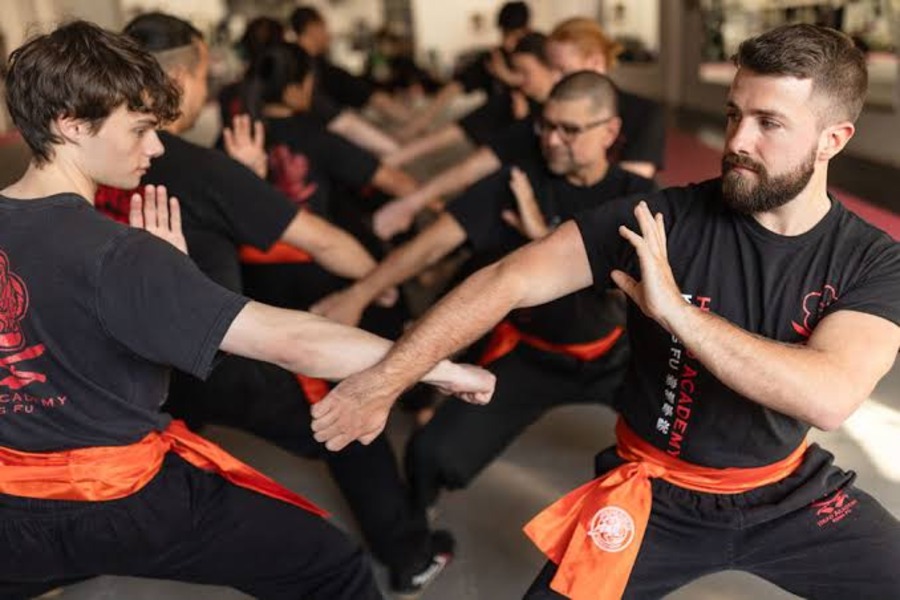
Traveling to Southeast Asia to practice authentic martial arts course is one of the most exciting choices an active sightseer can make. Every year, thousands of international visitors pack their bags to experience high-intensity conditioning in a tropical paradise. However, stepping onto the canvas as an international visitor involves adapting to a unique climate, custom routines, and unfamiliar gym customs. Navigating these changes smoothly is the key to enjoying a safe and transformative trip. Here are six essential secrets that will help every eager foreigner thrive during Muay Thai training course in Thailand.
Pace Yourself During Tropical Heat Workouts
Adapting to intense humidity requires patience and careful physical pacing. Typical daily temperatures hover between 28 and 35 degrees Celsius, causing heavy fluid loss through sweat. A single two-hour workout course burns between 800 and 1,000 calories while testing your cardiorespiratory system.
If you are an international foreigner sightseer, jumping straight into twice-daily sessions on day one often leads to early muscle burnout. Scale back your initial effort during week one to give your cardiovascular system time to adapt. Drinking 3 to 4 liters of water daily alongside fresh electrolyte-rich coconut water keeps your body well hydrated and performing well.
Master Traditional Ring Etiquette and Cultural Respect
Respect forms the core foundation of native martial arts culture. Before stepping onto the canvas, bow with a polite Wai gesture to acknowledge your coaches and training partners. Always remove your footwear before entering the facility floor, and never point the soles of your feet toward trainers or sacred shrine areas.
Male practitioners should step over the top rope when entering the ring, while female athletes step between the middle ropes to honor tradition. Showing genuine cultural awareness as a respectful foreigner ensures you build strong relationships with veteran coaches who have logged over 150 professional stadium fights.
Choose Northern Gyms for Better Travel Value
Managing your travel expenses allows you to extend your athletic trip without financial stress. Southern coastal centers near Phuket or Koh Samui feature higher rates for accommodation and passes. Moving your travel route north to cities like Chiang Mai offers significant budget advantages.
Standard monthly gym rates in northern provinces range between 6,000 and 9,000 Thai Baht, compared to 15,000 Thai Baht in island hubs. Making smart choices as a budget-conscious foreigner guarantees access to top-tier coaching while keeping your monthly expenses under control.
Invest in Proper Wholesale Equipment Locally
Buying protective gear at tourist boutique outlets often leads to inflated markups. Instead, visit wholesale markets near National Stadium in Bangkok or direct factory outlets to buy your equipment.
High-quality leather boxing gloves, hand wraps, and shin guards from reputable domestic brands cost between 1,400 and 2,200 Thai Baht per set. Buying gear locally ensures a prepared foreigner uses durable gear that protects hands and shins during pad drills.
Commit to Monthly Unlimited Passes
Paying drop-in pass rates for single training sessions quickly adds up over a long vacation. Individual pass fees range from 300 to 500 Thai Baht per session. Buying an unlimited monthly pass for authentic Muay Thai sessions cuts your overall per-class expense by more than 50 percent.
Committing upfront to structured Muay Thai training course in Thailand grants you complete access to pad work, heavy bag conditioning, and technical clinching. Securing these bundles helps an active foreigner maximize their athletic progress and overall vacation value. Suwit Muay Thai for passive adventurer is a martial arts training camp with many courses for sightseer.
Fuel Up with High-Protein Local Market Meals
Sustaining heavy physical output requires clean, nutrient-dense meals. While Western-style health cafes serve familiar options, they quickly drain your daily food budget. Local open-air night markets offer nutritious food at low prices.
Read more: How Long Does It Take To Run 6 Miles, 10 Expert Insights
Stalls serve chicken, steamed fish, eggs, and jasmine rice for 50 to 80 Thai Baht per plate. Relying on local food vendors allows a smart foreigner to meet their daily energy needs on less than 250 Thai Baht per day. Following these practical tips guarantees an unforgettable experience during Muay Thai training in Thailand.